How to reheat meal prep without drying it out
The short answer
Key takeaways
- Add a spoonful of water or broth, cover, and heat gently in short bursts.
- Reheat until steaming hot: 165 °F (74 °C) per the USDA.
- Reheat only what you will eat, and thaw in the fridge when you can.
Contents
Why reheated food dries out
When a dish cools, starches firm up and sauces thicken: that is why rice looks hard and pasta looks dry the next day. Reheating too fast and too hot then drives out the moisture that is left. The fix is not complicated: put a little water back, keep the heat gentle, and cover the food so the steam stays in.
The golden rules
- Add moisture. A spoonful of water, broth or sauce per portion.
- Cover loosely. A plate, a lid or a damp paper towel. The steam does the work.
- Go low and slow. Short bursts at medium power beat one long blast at full power.
- Stir halfway. It prevents hot spots and cold centers.
- Check the center. It should be steaming hot.
Method by method
The microwave: fast and good for most portions
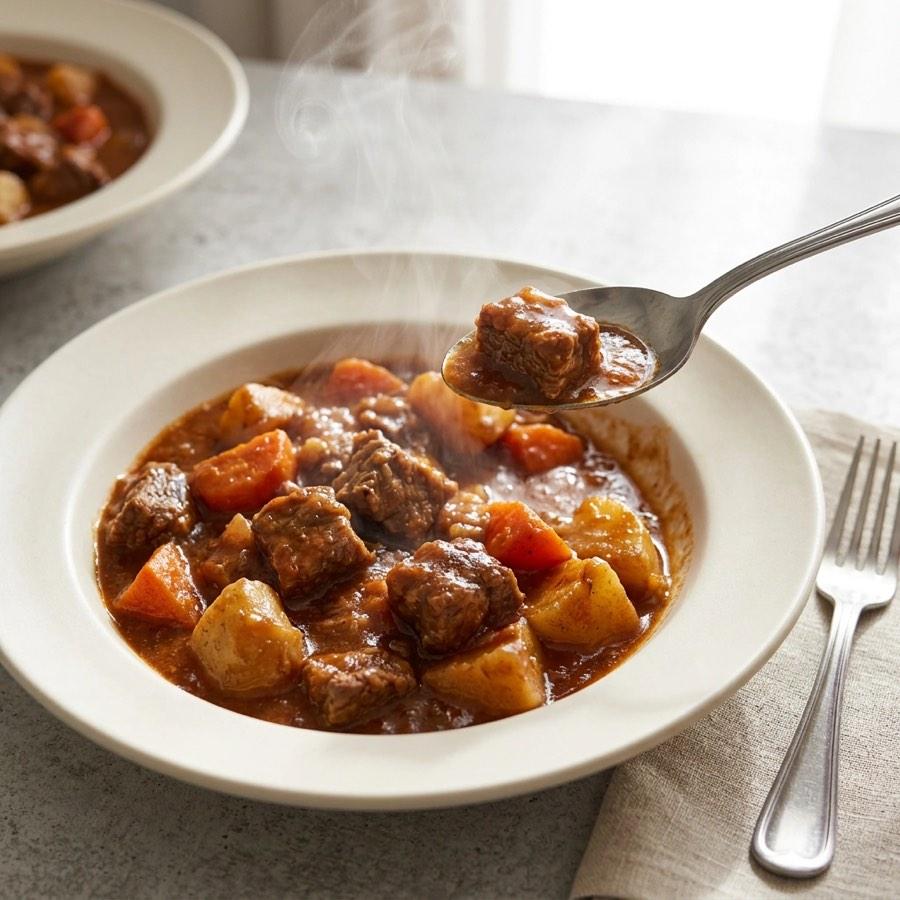
Place the portion in a microwave-safe dish, add a splash of water, cover loosely and heat in 60 to 90-second bursts at about 70% power. Stir between bursts. Dishes with sauce (stews, curries, chilli) do best. Crispy foods do not, so use the oven for those.
The pan: the best choice for rice, pasta and sauces
Put the portion in a pan over medium heat, add a spoonful of water or broth, cover and stir regularly. In three to five minutes, the grains loosen and the sauce becomes creamy again. This is also the best method for stir-fries and noodle dishes.
The oven: for gratins, baked dishes and anything crispy
Cover the dish with foil to keep it moist, and heat at 350 °F (175 °C) until hot in the center. Remove the foil for the last few minutes if you want the top to brown again. It is slower than the microwave, but it gives the best texture for baked pasta, lasagna and roasted vegetables.
Dish by dish
| Dish | Best method | Tip |
|---|---|---|
| Rice, grains | Pan or microwave | Add water, cover |
| Pasta with sauce | Pan | Splash of water, stir often |
| Stews, curries, chilli | Pot or microwave | Reheat gently, stir |
| Roasted vegetables | Oven or air fryer | Hot oven, no cover at the end |
| Chicken, fish | Oven (covered) or microwave at medium power | Do not overheat: they dry first |
| Soups | Pot | Bring to a gentle boil |
| Egg muffins, pancakes | Microwave or toaster | 30 to 45 seconds |

Food safety: the part that matters
Reheat until the dish is steaming hot all the way through, at 165 °F (74 °C) according to the USDA, and bring sauces, soups and gravies to a rolling boil. In France, the ANSES recommends reheating above 70 °C at the core. Only reheat the portion you will eat, and do not keep reheating the same container. If a dish smells off, do not taste it: throw it away.
Thawing frozen dishes
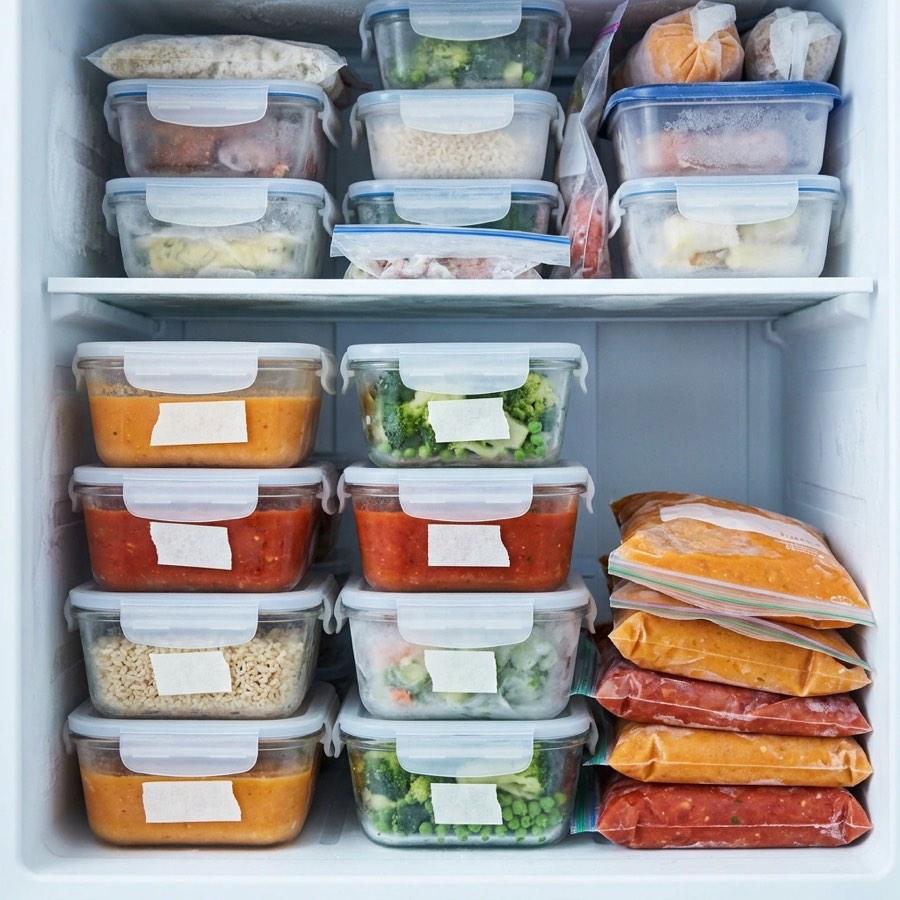
The safest method is to move the dish from the freezer to the fridge the evening before. It thaws evenly and stays at a safe temperature. In a hurry, you can use the microwave's defrost setting and then reheat immediately. Never thaw on the counter.
How Nonnio helps
Each dish in your Nonnio fridge shows how many days it has left and how to reheat it, so you know what to eat first and how. See the fridge feature or read how to store your meals safely.
Sources
Frequently asked questions

The USDA recommends reheating leftovers to 165 °F (74 °C), measured in the thickest part. In practice: steaming hot all the way through, not just at the edges.
Sprinkle a spoonful of water or broth over them, cover, and heat in short bursts, stirring in between. In a pan, add the liquid and warm over medium heat.
It is best not to. Each cycle of cooling and reheating raises the risk and lowers the quality. Warm only the portion you are going to eat.
Yes for many dishes, using a lower power or a covered pan, but thawing overnight in the fridge gives the most even result and the best texture.
This article is for information only and does not replace the advice of a health or nutrition professional. Storage times are cautious guidelines.