7 beginner batch cooking mistakes (and how to avoid them)
The short answer
Key takeaways
- Start with three or four recipes, not ten: a successful first session beats a heroic one.
- Write your shopping list before you cook and have your containers ready.
- Refrigerate dishes within two hours and freeze what you won't eat within three to four days.
Contents
Why first sessions go wrong
Batch cooking is simple in principle, but the first session is often too ambitious: too many recipes, not enough space, containers missing at the last minute. The result is three extra hours in the kitchen and no desire to ever do it again. Here are the seven most common traps, and the fix for each.
1. Aiming too big on the first session
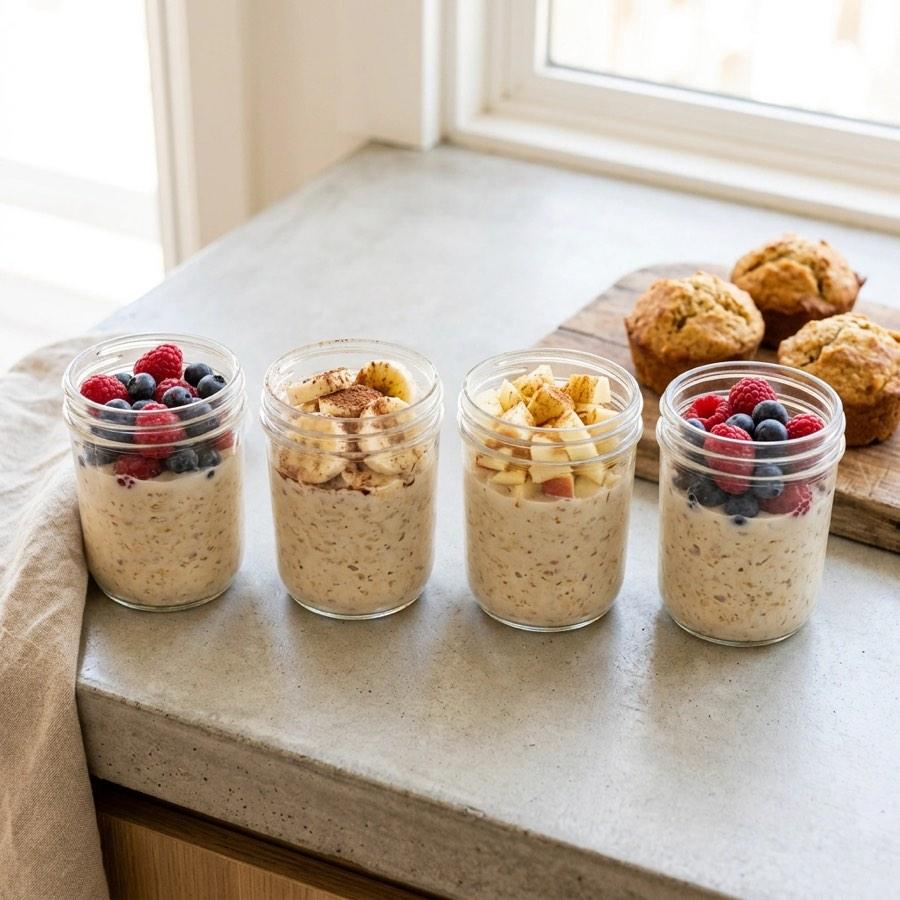
Ten different recipes means ten ingredient lists, ten cooking times and an overflowing kitchen. For a first time, aim for three or four recipes: a saucy main, a starch base, a protein and a breakfast. You'll quickly see what suits you, then you can scale up. If you're just starting, the beginner's guide to batch cooking walks through a first session.
2. Cooking without a shopping list
Improvising at the supermarket means buying for recipes you never make, forgetting a key ingredient and throwing half the basket away. Write the list before you go, sorted by aisle, and check what you already have. See the batch cooking grocery list for a simple method.
3. Not having containers and space ready
Nothing is more frustrating than finishing a dish with no container big enough. Before you cook, get out your containers, check each has a lid and make room in the fridge. Containers of matching shapes stack better and hold more.
4. Letting food cool too long on the counter
This is the mistake that matters most for safety. According to the USDA, cooked food shouldn't sit at room temperature for more than two hours (one hour in very hot weather). Spread dishes into shallow portions so they cool faster, then refrigerate. Storage times are covered in our guide to how long meal prep lasts.

5. Cooking everything for seven days
Cooked dishes generally keep three to four days in the fridge. Plan the first meals fresh and freeze the rest, in portions. What freezes well (and what doesn't) is explained in what to freeze when meal prepping.
6. Not varying, then getting bored
Eating the same dish five days in a row is discouraging. Prepare bases instead (rice, roasted vegetables, protein) and change the sauce, seasoning or side when you eat. You keep the time savings without the boredom.
7. Forgetting to label
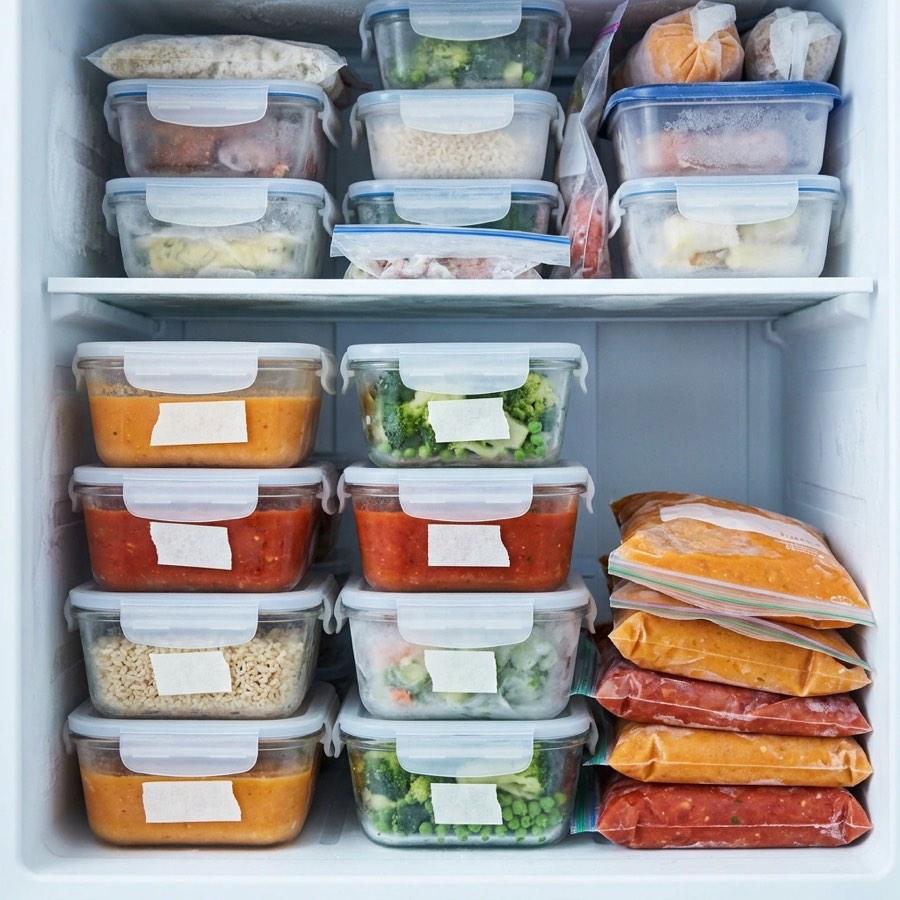
A freezer without labels quickly becomes a lottery. Write the dish name and date on each container with a marker or tape. You'll know what to eat first and avoid waste.
How Nonnio helps
Nonnio builds the menu, generates the shopping list, orders the steps of the session and stores each dish in your fridge with its days left. That way you avoid most of these mistakes without thinking about it. Discover the app.
Sources
Frequently asked questions

Three or four is plenty: a starch base, a protein, a saucy main and a breakfast. Beyond that the session drags on, the dishes pile up and motivation drops.
No more than two hours at room temperature (one hour in very hot weather), according to the USDA. Spread dishes into shallow portions so they cool faster, then refrigerate.
Not necessarily. Cooked dishes generally keep three to four days in the fridge: plan the first days fresh and freeze the rest in portions, with a label.
Prepare bases (rice, roasted vegetables, protein) and vary the sauces and sides when you eat. You keep the time savings without the boredom.
This article is for information only and does not replace the advice of a health or nutrition professional. Storage times are cautious guidelines.